
Imagine savoring a dish where each ingredient tells a story, a story rooted in the fertile soil of your local community. This is the essence of the farm-to-table movement, a culinary philosophy that connects diners directly to the source of their food. From the careful cultivation of seasonal produce to the artful presentation on the plate, local farm-to-table experiences offer a unique blend of culinary excellence, sustainable practices, and community engagement.
This exploration delves into the multifaceted world of farm-to-table dining, examining the farming practices, restaurant operations, economic impacts, and the overall appeal of these increasingly popular experiences. We’ll uncover the challenges and rewards involved in forging strong partnerships between farmers and restaurants, and highlight the vital role these initiatives play in fostering vibrant local economies and promoting sustainable agriculture.
Defining “Local Farm-to-Table Experiences”
Local farm-to-table experiences represent a culinary movement emphasizing the direct connection between the food on your plate and the farm where it originated. This connection extends beyond simply sourcing ingredients locally; it encompasses a commitment to sustainable agricultural practices, transparent supply chains, and a dining experience that celebrates the seasonality and unique character of locally grown produce.The definition hinges on several key aspects: geographical proximity, ensuring ingredients travel minimal distances; sustainable farming methods, promoting environmentally responsible practices; and a dining experience that highlights the origin and quality of the ingredients.
The “local” aspect is fluid and often defined by a radius around the restaurant, ranging from a few miles to a broader regional area, depending on the establishment’s philosophy and the availability of local producers.
Types of Local Farm-to-Table Experiences
Farm-to-table experiences are not confined to a single model. They encompass a spectrum of dining styles and formats, each offering a unique approach to connecting diners with their food’s source. Fine dining establishments often incorporate farm-to-table principles into their meticulously crafted menus, showcasing high-end ingredients and sophisticated preparations. Casual settings, such as farm stands offering prepared meals or bistros featuring locally sourced ingredients, provide a more relaxed and accessible experience.
Unique formats include farm dinners, cooking classes held on farms, and harvest festivals featuring multiple local producers, offering immersive experiences that go beyond simply eating a meal.
Comparison of Farm-to-Table Operation Models
The following table compares different models of farm-to-table operations, highlighting their strengths and weaknesses.
| Model | Description | Advantages | Disadvantages |
|---|---|---|---|
| Restaurant Sourcing Directly | Restaurants establish direct relationships with local farms, purchasing ingredients directly. | Stronger relationships with farmers, better quality control, potential for menu customization. | Requires significant effort in sourcing and logistics, potential for supply chain disruptions. |
| Farmers Markets | Restaurants source ingredients from local farmers markets, providing a more diverse range of suppliers. | Increased variety of ingredients, supports multiple small farms, potentially lower costs. | Less control over ingredient quality and consistency, reliance on market availability. |
| Farm-Based Events | Dinners, cooking classes, or festivals held directly on the farm. | Immersive experience, strong connection with the farm and its producers, unique atmosphere. | Logistical challenges in hosting events, limited capacity, potentially higher costs for consumers. |
| Community Supported Agriculture (CSA) Boxes | Consumers subscribe to receive regular boxes of seasonal produce directly from a local farm. | Direct access to fresh produce, supports local farmers, increased awareness of seasonal eating. | Requires commitment from consumers, limited control over recipe choices, potential for surplus or shortages. |
The Appeal of Local Farm-to-Table Experiences
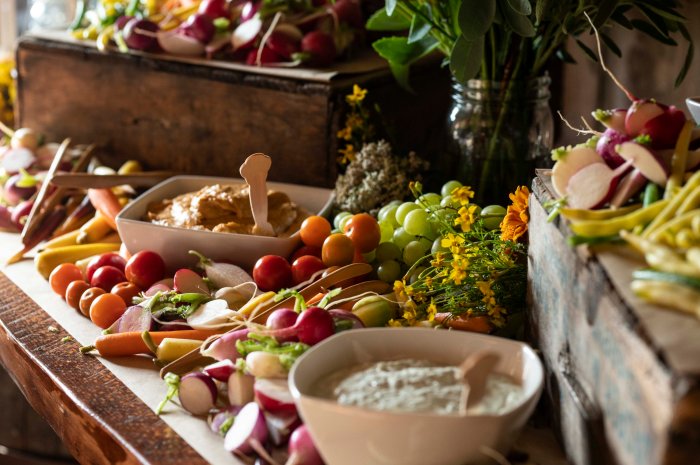
The rising popularity of farm-to-table dining reflects a growing consumer desire for transparency, quality, and a deeper connection with their food. This trend transcends mere culinary preference; it represents a shift in values, prioritizing sustainability, community engagement, and a renewed appreciation for the origins of our food. This appeal is multifaceted, driven by a confluence of factors impacting consumer choices.Consumers are increasingly seeking fresher, higher-quality ingredients.
Farm-to-table restaurants prioritize sourcing produce and other ingredients directly from nearby farms, minimizing transportation time and preserving nutritional value. This commitment to freshness translates directly into a superior dining experience, with dishes boasting vibrant flavors and textures unavailable in conventionally sourced meals. The emphasis on seasonal menus further enhances this appeal, allowing diners to experience the best of what the local farms have to offer throughout the year.
Sustainability and Environmental Concerns
The environmental impact of food production is a significant concern for many consumers. Farm-to-table initiatives often align with sustainable agricultural practices, reducing the carbon footprint associated with long-distance transportation and promoting biodiversity. Many participating farms employ eco-friendly methods, such as organic farming and reduced pesticide use. This commitment to sustainability resonates strongly with environmentally conscious consumers, who are actively seeking ways to minimize their ecological impact through their dietary choices.
For example, a restaurant featuring locally sourced, organic beef significantly reduces its carbon emissions compared to one relying on mass-produced beef transported from distant regions.
Marketing Strategies Highlighting Uniqueness
Effective marketing for farm-to-table experiences emphasizes transparency and storytelling. Restaurants frequently showcase partnerships with local farms through menus featuring farm names and descriptions of growing methods. Social media campaigns often highlight the farmers themselves, sharing their stories and passion for sustainable agriculture. Many restaurants organize farm visits or offer behind-the-scenes glimpses into their sourcing practices, creating a stronger connection between diners and the origins of their food.
For example, a restaurant might offer a “Meet the Farmer” dinner series, where guests can interact directly with the farmers who supply their ingredients. This builds trust and strengthens the brand’s identity.
Key Demographic Groups and Motivations
Millennials and Gen Z are particularly drawn to farm-to-table experiences. Their strong interest in sustainability and ethical consumption drives their preference for locally sourced, sustainably produced food. Furthermore, they are often more willing to pay a premium for high-quality, ethically sourced ingredients. However, the appeal extends beyond younger generations. Affluent consumers, often with a greater disposable income, are also significant patrons, valuing the unique and high-quality culinary experiences these restaurants offer.
These consumers appreciate the artisanal nature of farm-to-table cuisine and are willing to pay for the superior taste and freshness. In addition, health-conscious individuals are drawn to the nutritional benefits of fresh, locally grown produce, further broadening the appeal of this dining model.
Local Experiences Beyond Farm-to-Table
Farm-to-table dining offers a delicious gateway to understanding a region’s agricultural heritage and culinary identity. However, a truly memorable and holistic local experience extends far beyond the dinner plate, encompassing a wider range of activities that enrich the visitor’s understanding and appreciation of the community. These complementary experiences create a more immersive and lasting impression, fostering a deeper connection with the place and its people.A successful strategy integrates various local experiences to create a cohesive and appealing tourism product.
This holistic approach not only boosts the economic viability of the region but also enhances the overall visitor satisfaction, encouraging repeat visits and positive word-of-mouth marketing. The interconnectedness of these experiences provides a rich tapestry of activities that caters to diverse interests and preferences.
Local Artisan Workshops and Demonstrations
Participating in hands-on workshops allows visitors to engage directly with the creative spirit of the community. Imagine learning the art of cheesemaking from a local artisan, followed by a tasting of their freshly produced cheeses. Or perhaps a pottery workshop where participants create their own unique piece, reflecting the region’s artistic traditions. These experiences offer a unique opportunity for interaction with skilled artisans, gaining insight into their craft and the history behind it.
Such activities provide a tangible connection to the local culture and often lead to purchasing locally made products, supporting the local economy directly.
Guided Farm Tours and Agricultural Demonstrations
Beyond simply enjoying the fruits of the farm’s labor on one’s plate, guided farm tours provide a behind-the-scenes look at agricultural practices. Visitors can witness firsthand the dedication and hard work involved in producing high-quality, sustainable food. These tours can include demonstrations of traditional farming techniques, explanations of sustainable practices, and opportunities to interact with the farmers themselves. This direct engagement fosters appreciation for the land and the people who cultivate it, adding a layer of authenticity to the farm-to-table experience.
Examples include a tour of a family-run orchard, demonstrating apple picking and cider pressing, or a visit to a vineyard showcasing winemaking techniques from grape harvest to bottling.
Cultural Events and Festivals
Integrating farm-to-table dining with local cultural events and festivals creates a vibrant and engaging atmosphere. Imagine enjoying a farm-to-table dinner during a local harvest festival, surrounded by live music, artisan crafts, and a lively community spirit. These events offer a chance to experience the region’s unique traditions, customs, and celebrations. The combination of culinary delights and cultural immersion creates a truly unforgettable experience.
Examples include a summer solstice celebration featuring locally sourced food and traditional music or a fall harvest festival showcasing local produce, crafts, and entertainment.
Visual Representation of Interconnected Local Experiences
Imagine a circular diagram. At the center is a plate representing the farm-to-table meal. From the center radiate three main branches. One branch leads to a depiction of a farm, showing farmers tending crops or livestock. Another branch depicts hands shaping clay on a pottery wheel, representing the artisan workshops.
The third branch shows a stage with musicians and people dancing, symbolizing cultural events and festivals. Connecting these branches are smaller lines representing various interactions and pathways – a dotted line from the farm to the plate signifying the food source, a solid line from the artisan workshop to a market stall selling their goods, and another line from the cultural event back to the farm, showing the farm providing ingredients for the event’s food offerings.
The entire image is filled with vibrant colors representing the richness and diversity of the local experiences, all converging on the central farm-to-table dining experience. The interconnectedness is visually clear, highlighting how each element contributes to the overall holistic experience.
Ultimately, local farm-to-table experiences represent more than just a meal; they represent a commitment to sustainability, community, and the celebration of fresh, locally-sourced ingredients. By supporting these initiatives, consumers actively participate in building stronger local economies, promoting ethical farming practices, and enjoying a truly unique and memorable dining experience. The journey from farm to table is a journey of connection, a testament to the power of collaboration, and a delicious exploration of the bounty our communities have to offer.
FAQ Corner
What are the environmental benefits of farm-to-table dining?
Reduced transportation emissions, lower reliance on pesticides and fertilizers, and support for sustainable farming practices are key environmental benefits.
How can I find local farm-to-table restaurants near me?
Online searches, local farmers’ market websites, and restaurant review sites are good resources to locate farm-to-table restaurants in your area.
Are farm-to-table restaurants more expensive than traditional restaurants?
Prices can vary, but often reflect the higher quality and ethical sourcing of ingredients.
What if I have dietary restrictions or allergies?
Most farm-to-table restaurants are happy to accommodate dietary needs; it’s best to inform them in advance.


