
Local sightseeing tours offer a unique and intimate way to experience a destination, moving beyond the typical tourist trail to uncover hidden gems and authentic cultural experiences. Unlike national or international tours that often focus on broad strokes, local tours delve into the nuances of a specific area, providing a deeper understanding of its history, people, and culture. This exploration encompasses diverse formats, from leisurely walking tours to adventurous bike rides, each designed to cater to a range of interests and preferences.
These tours are not simply about ticking off landmarks; they’re about forging connections with the local community, supporting local businesses, and gaining a genuine appreciation for the unique character of a place. Whether it’s sampling regional cuisine, interacting with local artisans, or attending a community event, these experiences create lasting memories and foster a deeper sense of place for the visitor.
Marketing and Promotion of Local Sightseeing Tours
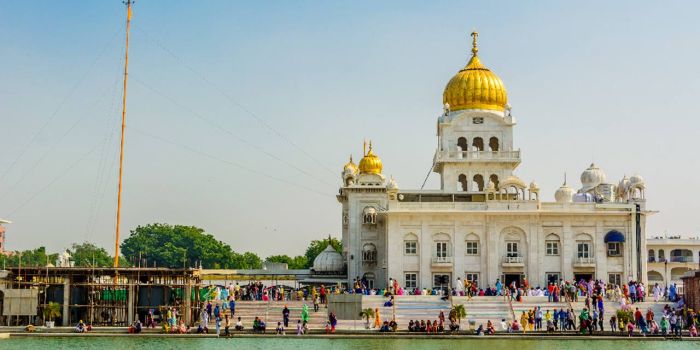
Successfully marketing local sightseeing tours requires a multifaceted approach, targeting diverse customer segments with compelling promotional materials and leveraging various marketing channels. This ensures maximum reach and resonates with potential tourists’ interests and preferences. Effective marketing translates directly into increased bookings and revenue.
Marketing Strategies for Diverse Customer Segments
Attracting a diverse clientele involves tailoring marketing messages to specific groups. For example, families might be drawn to tours emphasizing kid-friendly activities and historical narratives, while adventure-seeking millennials might prefer tours focusing on unique experiences and Instagrammable locations. Senior citizens might appreciate tours with comfortable pacing and accessible locations. By segmenting the market, we can craft targeted messaging and offers that resonate with each group.
Consider offering discounts for families or creating specialized itineraries for specific age groups or interests.
Compelling Promotional Materials
High-quality promotional materials are crucial for attracting potential customers. For a hypothetical “Coastal Charm” sightseeing tour, the description could read: “Experience the breathtaking beauty of our coastline on this unforgettable journey. Discover hidden coves, witness dramatic cliffs bathed in golden sunlight, and breathe in the salty air as you explore charming seaside villages. Savor fresh seafood at a local restaurant and learn about the region’s rich maritime history.”The accompanying imagery should be equally captivating.
One image could depict a sun-drenched coastal path winding along dramatic cliffs, the turquoise ocean stretching to the horizon. The viewer should almost feel the warm sun on their skin and the gentle sea breeze. Another image could showcase a quaint seaside village with brightly colored buildings, bustling with activity and the aroma of freshly baked bread seemingly hanging in the air.
A third image could focus on a close-up of a delicious seafood platter, emphasizing the vibrancy of the colors and textures. Each image should evoke a sensory experience, drawing the potential customer into the world of the tour.
Marketing Channels for Local Sightseeing Tours
Utilizing a variety of marketing channels maximizes exposure. Social media platforms like Instagram and Facebook are ideal for visually driven campaigns, showcasing stunning imagery and engaging with potential customers directly. Online travel agencies (OTAs) like Expedia and Booking.com provide access to a wider audience, while partnerships with local businesses (hotels, restaurants, etc.) can offer cross-promotional opportunities and create mutually beneficial relationships.
Email marketing allows for targeted campaigns to past customers or subscribers, while local newspapers or tourism magazines offer print advertising opportunities.
Creating a Successful Marketing Campaign: A Step-by-Step Guide
A successful marketing campaign follows a structured approach. First, define your target audience – who are you trying to reach? Next, develop a clear marketing message that resonates with your target audience. Then, select appropriate marketing channels based on your target audience and budget. Following this, create compelling promotional materials, including high-quality images and engaging descriptions.
Next, implement your campaign across chosen channels, monitoring its performance closely. Finally, analyze results and make adjustments as needed to optimize the campaign’s effectiveness. Regularly review analytics to assess what’s working and what needs improvement. This iterative process ensures continuous refinement and improvement of your marketing strategy.
Local Experiences within Sightseeing Tours
Integrating authentic local experiences into sightseeing tours significantly enhances their appeal and value, transforming a simple sightseeing trip into a memorable cultural immersion. By offering opportunities to connect with the local community and culture, tours become more engaging and leave a lasting positive impact on both the visitor and the local economy.
Designing Tours with Authentic Local Experiences
A successful local sightseeing tour incorporating authentic experiences requires careful planning and collaboration with the local community. Consider a tour focused on a specific craft, such as pottery. The itinerary could begin with a visit to a working pottery studio, where participants observe the artisan’s techniques and perhaps even try their hand at wheel throwing. Following this, a visit to a local market showcasing the artisan’s finished products allows for direct interaction and purchasing opportunities.
Concluding with a traditional meal featuring locally sourced ingredients and prepared by a local family completes the immersive experience. This multi-faceted approach ensures a richer, more fulfilling experience than a simple visit to a museum or historical site.
Enhancing Tour Value through Local Interactions
Incorporating local experiences adds significant value by moving beyond the typical sightseeing format. Instead of just viewing landmarks, visitors actively participate in the local culture. This elevates the experience from passive observation to active engagement, creating more profound and lasting memories. For instance, a cooking class featuring regional cuisine not only teaches culinary skills but also introduces participants to local ingredients, traditions, and stories.
Similarly, attending a local festival or event provides an authentic glimpse into the community’s celebrations and social life, fostering a deeper understanding and appreciation of the local culture. The increased engagement leads to higher visitor satisfaction and positive word-of-mouth marketing, boosting the tour’s reputation and demand.
Comparing Different Approaches to Integrating Local Experiences
Different approaches to integrating local experiences offer varying levels of immersion and interaction. A simple approach might involve a brief visit to a local market or a quick demonstration of a local craft. This provides a glimpse into the local culture but lacks depth. A more immersive approach might involve a longer workshop with a local artisan, a home-cooked meal with a local family, or participation in a local festival.
These deeper engagements offer a more authentic and transformative experience. The choice of approach depends on the tour’s overall objective, target audience, and available resources. A balance between structured activities and opportunities for spontaneous interactions can create a truly enriching experience.
Five Unique Local Experiences for a City Sightseeing Tour
The successful integration of local experiences hinges on offering unique and memorable opportunities. Here are five examples that could be incorporated into a city sightseeing tour:
- A guided walking tour focusing on street art and graffiti, including an interaction with a local artist.
- A workshop learning traditional crafts, such as weaving or pottery, from a local artisan.
- A private cooking class featuring regional specialties, followed by a tasting of the prepared dishes.
- Attendance at a local music performance or cultural event, providing insight into the city’s artistic scene.
- A visit to a local farm or market, showcasing fresh, seasonal produce and interacting with local farmers.
Sustainability and Responsible Tourism in Local Sightseeing Tours
Sustainable practices are paramount for the long-term viability and positive impact of local sightseeing tours. Ignoring environmental and social considerations can lead to irreparable damage, undermining the very attractions that draw tourists in the first place. Responsible tourism ensures that the benefits of tourism are shared equitably among local communities, preserving their cultural heritage and natural environment for future generations.
Environmental Impacts and Mitigation Strategies
Local sightseeing tours, while beneficial for local economies, can generate significant environmental impacts. Increased traffic congestion from tour buses contributes to air pollution and greenhouse gas emissions. Overcrowding at popular sites leads to habitat destruction and disturbance of wildlife. Improper waste disposal from tourists adds to pollution levels. Mitigation strategies involve implementing efficient transportation methods, such as using electric vehicles or encouraging cycling and walking tours.
Stricter waste management protocols, including designated recycling areas and educational campaigns for tourists, are crucial. Capacity limits at sensitive sites and the promotion of less-visited areas can help to distribute the environmental pressure more evenly. Furthermore, collaborating with local conservation organizations to support reforestation and habitat restoration projects can actively contribute to environmental recovery. For instance, a tour operator in Costa Rica might partner with a local organization to plant trees in a deforested area, offsetting their carbon footprint and contributing to biodiversity.
Social Impacts and Mitigation Strategies
The social impacts of local sightseeing tours are multifaceted. The influx of tourists can strain local resources, such as water and energy. Over-tourism can lead to increased housing costs, pricing out local residents. The commodification of local culture can lead to the erosion of traditional practices and values. Responsible tourism aims to mitigate these negative effects.
This can involve supporting locally owned businesses and employing local guides, ensuring that the economic benefits of tourism are distributed fairly. Respecting local customs and traditions is paramount, which involves educating tourists about appropriate behavior and engaging with local communities respectfully. Furthermore, implementing measures to manage tourist crowds and prevent overcrowding can help to preserve the quality of life for local residents.
For example, a tour company operating in a small village in Italy could limit the number of tourists per tour and provide clear guidelines on appropriate behavior, such as respecting quiet times and not entering private property without permission.
The Role of Responsible Tourism in Preserving Local Culture and Heritage
Responsible tourism plays a vital role in preserving local culture and heritage. By supporting local artisans, businesses, and communities, tourism can become a tool for cultural preservation. Respectful engagement with local traditions, including storytelling, music, and culinary practices, ensures that these aspects of the culture are not only maintained but also shared with a wider audience. Authentic cultural experiences, guided by local experts, can help visitors understand the significance of the heritage sites they visit and foster a deeper appreciation for local cultures.
For example, a walking tour in a historic city could include a visit to a local artisan workshop, allowing tourists to interact directly with the artisans and learn about their craft. This approach not only supports the local economy but also ensures the continuity of traditional practices. Additionally, the revenue generated from responsible tourism can be used to fund heritage preservation projects, such as the restoration of historical buildings or the protection of cultural landscapes.
Best Practices for Creating Environmentally Friendly and Socially Responsible Local Sightseeing Tours
Creating environmentally friendly and socially responsible local sightseeing tours requires a multi-pronged approach. Prioritizing sustainable transportation, such as electric vehicles or walking tours, is a crucial step. Implementing effective waste management strategies, including the use of reusable materials and responsible waste disposal, is also essential. Supporting local businesses and communities through direct employment and purchasing locally sourced goods ensures that the economic benefits of tourism are distributed fairly.
Educating tourists about sustainable practices and responsible behavior, through pre-tour briefings and on-site guidance, is crucial for fostering a sense of responsibility among visitors. Collaborating with local communities and stakeholders to develop tour itineraries that are both culturally sensitive and environmentally responsible ensures that the tourism activity aligns with the values and priorities of the host community. Regularly assessing and monitoring the environmental and social impacts of the tours, and adapting strategies accordingly, demonstrates a commitment to continuous improvement.
Ultimately, local sightseeing tours represent a powerful blend of exploration and cultural immersion. They provide a sustainable and responsible approach to tourism, benefiting both the visitor and the community. By choosing to participate in a local tour, travelers contribute directly to the economic well-being of the area while simultaneously gaining a richer and more meaningful travel experience. The careful consideration of sustainability, community engagement, and authentic local experiences ensures that these tours are not just enjoyable but also contribute positively to the preservation of local heritage and culture for future generations.
Q&A
What is the typical cost of a local sightseeing tour?
Prices vary greatly depending on the type of tour, duration, and location. Expect to find options ranging from budget-friendly to premium experiences.
How do I book a local sightseeing tour?
Bookings can often be made online through the tour operator’s website, online travel agencies, or directly through local businesses.
What should I bring on a local sightseeing tour?
Comfortable shoes, water, sunscreen, and a camera are generally recommended. Check the tour details for specific recommendations based on the type of activity.
Are local sightseeing tours suitable for children?
It depends on the specific tour. Some are family-friendly, while others may be more suitable for adults. Check the tour description for age recommendations.
What if I need to cancel my tour?
Cancellation policies vary, so it’s crucial to review the terms and conditions before booking. Contact the tour operator directly to discuss any cancellation needs.


