
Discover the allure of local travel experiences, a journey beyond typical tourism. This exploration delves into the heart of communities, revealing authentic cultures, hidden gems, and sustainable practices. We’ll examine diverse experiences, from culinary explorations to cultural immersions, highlighting the economic and social benefits of choosing local.
This comprehensive guide provides a framework for understanding, promoting, and participating in local travel, emphasizing responsible engagement and the preservation of cultural heritage. We will cover various aspects, including marketing strategies, technological advancements, and ethical considerations, offering a holistic view of this enriching travel style.
Defining “Local Travel Experiences”
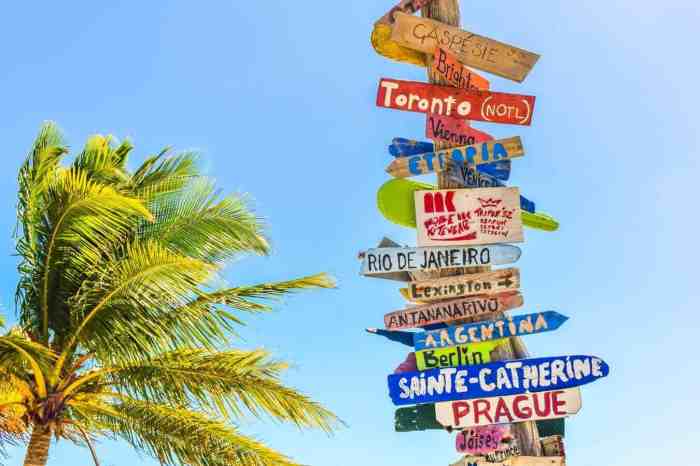
Local travel experiences represent a significant shift in the tourism landscape, moving away from mass-produced, standardized offerings towards immersive and authentic encounters with a destination’s unique culture, environment, and people. They prioritize genuine interaction and contribute directly to the well-being of local communities.Local travel experiences are fundamentally different from generic tourism. While generic tourism often focuses on pre-packaged itineraries and large-scale attractions, local experiences prioritize direct engagement with the local community and environment.
This engagement fosters a deeper understanding and appreciation of the destination, beyond the typical tourist hotspots.
Key Characteristics of Authentic Local Experiences
Authentic local experiences are characterized by several key features. They involve direct interaction with local people, offering opportunities to learn about their traditions, customs, and daily lives. These experiences often take place in less-visited areas, showcasing the unique character of the destination beyond the typical tourist gaze. Moreover, they are often small-scale and sustainable, minimizing environmental impact and maximizing economic benefits for the local community.
A truly authentic experience allows travelers to step outside their comfort zone and engage with a culture different from their own, fostering cross-cultural understanding and respect. For example, a cooking class with a local family in rural Italy, learning traditional techniques and sharing a meal together, is far more authentic than simply eating at a tourist-oriented restaurant.
Local Travel Experiences versus Mass Tourism
Local travel experiences stand in stark contrast to mass tourism. Mass tourism often involves large groups of tourists visiting heavily commercialized areas, leading to environmental degradation and a diluted cultural experience. Local travel, on the other hand, aims for smaller-scale, sustainable tourism that benefits the local community. The economic impact is also vastly different; mass tourism often concentrates wealth in the hands of large corporations, while local travel aims to distribute economic benefits directly to local businesses and residents.
Consider the difference between a large cruise ship unloading thousands of tourists onto a small island versus a small group of travelers participating in a guided hike led by a local resident. The latter supports the local economy and preserves the island’s environment far more effectively.
Typology of Local Travel Experiences
A typology of local travel experiences can be created based on different traveler profiles and preferences. For instance, adventure travelers might opt for guided hikes in remote areas, interacting with local guides and learning about the region’s flora and fauna. Cultural enthusiasts may prefer immersive experiences like traditional craft workshops, cooking classes, or homestays, gaining a deep understanding of local customs and traditions.
Eco-conscious travelers might choose experiences focused on sustainable practices, such as volunteering in community-based conservation projects or participating in eco-tourism initiatives. Finally, those seeking relaxation might enjoy slower-paced experiences, such as yoga retreats in tranquil settings or wellness programs focusing on local healing practices. These diverse experiences cater to a wide range of traveler interests and preferences, demonstrating the versatility and appeal of local travel.
Types of Local Travel Experiences
Local travel experiences offer a unique opportunity to connect with a destination on a deeper level, moving beyond typical tourist attractions to engage with the authentic culture, history, and environment. These experiences foster a more meaningful and memorable journey, allowing travelers to create lasting connections with the places they visit and the people who inhabit them.
Categorizing local travel experiences helps travelers identify and select those that best align with their interests and travel styles. Understanding the various types available allows for a more personalized and enriching travel experience.
Categories of Local Travel Experiences
Local travel experiences encompass a wide range of activities, each offering a different perspective and level of engagement. The following table provides a categorized overview, highlighting target audiences and unique selling points.
| Type of Experience | Target Audience | Unique Selling Points | Examples |
|---|---|---|---|
| Culinary Tours | Foodies, Culture Enthusiasts, Families | Authentic tastes, local ingredients, cultural insights, hands-on experiences | Cooking classes focusing on regional specialties, market tours showcasing local produce, guided food walks through historic neighborhoods. |
| Cultural Immersion Programs | Culture enthusiasts, students, researchers, individuals seeking deeper understanding | Authentic cultural exchange, learning opportunities, unique perspectives, personal growth | Homestays with local families, participation in traditional festivals or ceremonies, workshops on local arts and crafts, language exchange programs. |
| Adventure Activities | Adventure seekers, thrill-seekers, active travelers | Adrenaline rush, physical challenge, connection with nature, unique landscapes | Hiking or trekking in national parks, kayaking or canoeing on local rivers, rock climbing or zip-lining, wildlife safaris. |
| Historical Site Visits | History buffs, students, families | Understanding of local history, exploration of significant landmarks, connection to the past | Guided tours of historical sites with local experts, visits to museums showcasing local artifacts, exploration of ancient ruins or historical buildings, participation in historical reenactments. |
Examples of Authentic Local Engagement
The following examples illustrate specific activities and locations that exemplify authentic local engagement within each category. These examples showcase the depth and variety of experiences available to travelers seeking a more meaningful connection with their destination.
Culinary Tours:
- Learning to make pasta from scratch in Bologna, Italy, using family recipes passed down through generations.
- Exploring the bustling markets of Marrakech, Morocco, and sampling exotic spices and local delicacies.
- Participating in a traditional tea ceremony in Kyoto, Japan, learning about the cultural significance of this ritual.
Cultural Immersion Programs:
- Living with a family in a rural village in Vietnam, learning about their daily life and traditions.
- Attending a traditional music and dance performance in Bali, Indonesia, and learning about the stories behind the art forms.
- Participating in a weaving workshop in Oaxaca, Mexico, and learning about the techniques and cultural significance of this craft.
Adventure Activities:
- Hiking the Inca Trail to Machu Picchu in Peru, experiencing the stunning landscapes and challenging terrain.
- White-water rafting on the Zambezi River in Zambia, navigating the rapids and experiencing the power of nature.
- Rock climbing in Yosemite National Park, California, challenging oneself physically and mentally while enjoying breathtaking views.
Historical Site Visits:
- Exploring the ancient ruins of Pompeii, Italy, with a local guide who brings the city’s history to life.
- Visiting the Acropolis in Athens, Greece, and learning about its significance in ancient Greek civilization.
- Taking a guided tour of the Great Wall of China, understanding its historical and strategic importance.
Ultimately, embracing local travel experiences offers a transformative journey, fostering deeper connections with communities and cultures while contributing to sustainable tourism. By understanding the economic benefits, implementing responsible practices, and leveraging technology, we can ensure the longevity and positive impact of these authentic adventures. The future of travel lies in responsible exploration and meaningful connection, and local travel is leading the way.
Q&A
What is the difference between local travel and mass tourism?
Local travel prioritizes authentic cultural exchange and supports local economies, minimizing environmental impact, unlike mass tourism which often involves large-scale operations with less direct community benefit.
How can I find authentic local experiences?
Seek out locally-owned businesses, participate in community-based tourism projects, and utilize online resources and reviews from other travelers focusing on authentic experiences.
Are local travel experiences more expensive?
Not necessarily. While some niche experiences may command a premium, many offer comparable or even better value than mass tourism options by prioritizing direct engagement and eliminating intermediary costs.
How can I ensure I’m traveling responsibly?
Respect local customs, support local businesses, minimize your environmental impact (reduce waste, conserve water), and engage with communities respectfully and ethically.


