
Immerse yourself in the captivating world of local wildlife experiences, where nature’s wonders meet responsible tourism. This exploration delves into the diverse ways humans connect with their local fauna, examining the economic, social, and environmental impacts of these interactions. From wildlife viewing in urban parks to guided tours in remote reserves, we uncover the multifaceted nature of these encounters and their crucial role in conservation efforts.
We will investigate various types of wildlife experiences, analyzing their effectiveness, target audiences, and the importance of sustainability. The economic benefits for local communities and the potential challenges of overtourism will also be considered, alongside strategies for promoting these experiences responsibly and effectively. Ultimately, this guide aims to provide a balanced perspective, highlighting both the opportunities and the responsibilities inherent in fostering meaningful connections between people and the natural world.
Local Experiences Beyond Wildlife
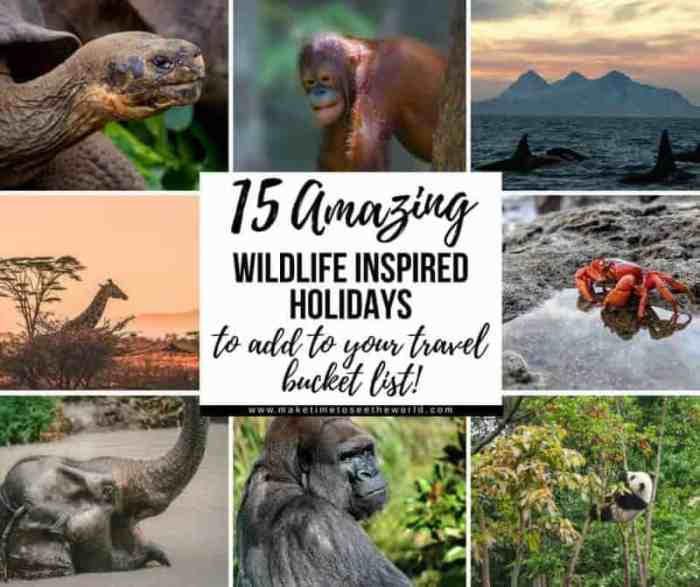
Enhancing the appeal of wildlife tourism often involves strategically integrating other local experiences to create a more comprehensive and memorable visitor journey. This approach not only diversifies revenue streams for local communities but also provides a richer and more holistic travel experience for tourists, encouraging longer stays and repeat visits. By thoughtfully combining wildlife viewing with cultural immersion, culinary adventures, and thrilling activities, destinations can establish a unique and competitive edge in the tourism market.
Combining wildlife experiences with other forms of local tourism presents a multitude of benefits and challenges. Successfully integrating these elements requires careful planning and consideration of the specific context, including the carrying capacity of the environment and the needs and expectations of the target audience. The potential for synergy is significant, however, leading to enhanced visitor satisfaction and increased economic benefits for local communities.
Examples of Integrated Tourism Products
Several successful tourism destinations have demonstrated the effectiveness of integrating wildlife experiences with other local attractions. These integrated products often cater to diverse interests, maximizing the appeal to a wider range of tourists and generating a more sustainable tourism model. The following table showcases some examples.
| Location | Activities | Target Audience | Unique Selling Points |
|---|---|---|---|
| Costa Rica | Wildlife spotting (rainforest tours, birdwatching), zip-lining, white-water rafting, visits to coffee plantations and local communities. | Adventure travelers, nature enthusiasts, families | Combines adrenaline-pumping activities with immersive nature experiences and cultural immersion, creating a holistic adventure. |
| Tanzania | Safari game drives, visits to Maasai villages, hot air balloon safaris, cooking classes featuring local cuisine. | Luxury travelers, wildlife photographers, culture enthusiasts | Offers a luxurious and authentic experience, blending the thrill of wildlife encounters with cultural understanding and unique culinary experiences. |
| Botswana | Mokoro rides (traditional dugout canoes) through the Okavango Delta, wildlife safaris, cultural interactions with local communities, stargazing. | Eco-conscious travelers, nature lovers, photographers | Focuses on sustainable tourism practices, offering intimate wildlife encounters and opportunities to connect with the local culture and environment. |
| South Africa | Safari game drives, wine tasting in Stellenbosch or Franschhoek, shark cage diving, visits to historical sites. | Diverse audience including adventure seekers, wine enthusiasts, history buffs | Combines classic safari experiences with other diverse attractions, appealing to a wide range of interests and offering a variety of experiences within one destination. |
Illustrative Examples
To further understand the potential of local wildlife experiences, let’s delve into two hypothetical examples showcasing diverse settings and wildlife encounters. These examples illustrate the immersive and educational opportunities available when thoughtfully designing such experiences.
Coastal Birdwatching Expedition
Imagine a crisp morning on the rugged coastline of Maine. The air is filled with the salty tang of the ocean and the cries of gulls overhead. Participants, equipped with binoculars and field guides, embark on a guided walk along a secluded beach. The rhythmic crash of waves against the rocks provides a constant, soothing backdrop. Our expert guide points out various species of shorebirds – sanderlings scurrying along the water’s edge, plump oystercatchers probing for shellfish, and elegant herons patiently waiting for their next meal.
The vibrant colors of the birds contrast beautifully against the grey rocks and sandy beach. The experience culminates in a breathtaking view of a large flock of migrating seabirds, a mesmerizing spectacle of coordinated flight and graceful movements. The sounds of nature, the feel of the sea breeze on your skin, and the visual beauty of the birds combine to create a memorable and educational experience.
Participants leave with a deeper appreciation for the delicate balance of the coastal ecosystem and the remarkable diversity of avian life.
Nocturnal Jungle Safari
Our second example transports us to a lush rainforest in Costa Rica. As twilight descends, the air grows heavy with humidity and the sounds of the jungle come alive. Participants, equipped with headlamps and guided by an experienced naturalist, embark on a nighttime safari through dense foliage. The air is thick with the scent of damp earth and exotic blooms.
The sounds of unseen creatures – the chirping of crickets, the croaking of frogs, and the rustling of leaves – create an atmosphere of mystery and excitement. The guide uses a powerful spotlight to illuminate the nocturnal wildlife, revealing the iridescent eyes of a tree frog clinging to a leaf, the slow, deliberate movements of a sloth high in the canopy, and the vibrant colors of a brightly colored insect on a flower.
The experience is a sensory feast, engaging sight, sound, and smell. Participants gain a unique perspective on the rainforest ecosystem, learning about the fascinating adaptations of animals that thrive in the darkness. The experience concludes with the satisfying feeling of having witnessed a secret world, revealed only under the cloak of night.
Responsible engagement with local wildlife offers a unique opportunity to connect with nature, support local communities, and contribute to conservation. By embracing sustainable practices, promoting responsible tourism, and fostering environmental awareness, we can ensure that future generations can enjoy the same enriching experiences. The economic and social benefits are undeniable, but only through mindful stewardship can we guarantee the longevity and integrity of these invaluable interactions with the natural world.
Top FAQs
What are the potential dangers of interacting with wildlife?
Potential dangers vary depending on the species and location. Always maintain a safe distance, follow guidelines provided by guides, and avoid feeding or approaching animals. Be aware of potential hazards like bites, scratches, or disease transmission.
How can I choose a responsible wildlife tour operator?
Look for operators with certifications demonstrating commitment to sustainability and conservation. Check online reviews and seek recommendations. Inquire about their practices regarding wildlife welfare, community engagement, and environmental impact.
What is the best time of year to experience local wildlife?
The ideal time varies greatly depending on the location and species. Research the local wildlife’s breeding seasons and migration patterns to maximize your chances of sighting specific animals.
How can I contribute to wildlife conservation while on a wildlife experience?
Support tour operators with strong conservation ethics. Avoid purchasing souvenirs made from endangered species. Learn about the local ecosystem and its challenges. Consider volunteering for local conservation projects.


