
Local wine tasting experiences offer a unique blend of sensory pleasure and cultural immersion. They go beyond simply sampling wines; they provide a window into a region’s history, its people, and its terroir. From intimate vineyard tours to bustling wine bar gatherings, these experiences cater to diverse preferences, promising an unforgettable journey for both seasoned wine enthusiasts and curious newcomers alike.
This exploration delves into the multifaceted aspects of local wine tasting, encompassing planning, promotion, and the vital role of sustainability.
Whether you’re a winery owner seeking to enhance your marketing strategy, a tourist planning a memorable getaway, or simply a wine lover curious about the local scene, this guide provides a comprehensive overview of the planning, enjoyment, and impact of local wine tasting experiences. We’ll cover everything from crafting the perfect itinerary to understanding the economic and cultural significance of these events, highlighting the importance of ethical and sustainable practices within the industry.
Defining “Local Wine Tasting Experiences”
Local wine tasting experiences offer a unique opportunity to connect with the terroir and the people behind the wine. They provide a more intimate and personalized approach to wine appreciation than larger, more commercial events. These experiences vary widely in scale and style, catering to a diverse range of participants, from casual wine enthusiasts to serious collectors.A local wine tasting experience is defined by its emphasis on proximity and connection to a specific geographic area and its wine producers.
The location is crucial; the experience is intrinsically linked to the vineyard, the winery, or a local establishment within a short distance of where the grapes are grown and the wine is made. The scale can range from small, intimate gatherings to larger events, but the core principle remains the same: a direct engagement with the local winemaking community and its products.
The target audience is equally diverse, encompassing individuals, couples, small groups, and even corporate teams seeking unique team-building opportunities.
Types of Local Wine Tasting Experiences
Local wine tasting experiences manifest in several forms, each offering a distinct perspective on the wine and the region. Understanding these differences helps consumers choose an experience that aligns with their preferences and expectations.
- Vineyard Tours: These experiences offer a comprehensive immersion into the winemaking process, from vine to bottle. Participants often explore the vineyards, learn about viticulture practices, and witness firsthand the stages of wine production. Vineyard tours usually culminate in a tasting of the estate’s wines, often paired with local cheeses or charcuterie.
- Wine Bar Tastings: Wine bars provide a more relaxed and casual setting for wine tasting. These establishments typically offer a curated selection of local wines, often accompanied by small plates or appetizers. Wine bar tastings are ideal for those seeking a less formal, more social experience.
- Private Tastings: Private tastings provide a personalized and exclusive wine tasting experience. These can be arranged at a winery, a private residence, or even a rented venue. Private tastings often feature a more curated selection of wines, personalized commentary from a winemaker or sommelier, and may include gourmet food pairings.
Key Features Distinguishing Local Wine Tasting Experiences
Several key features distinguish a truly “local” wine tasting experience from a more generalized one. These characteristics enhance the authenticity and value of the experience.The most prominent difference is the emphasis on direct engagement with the local winemakers and their stories. This creates a more personal and meaningful connection to the wine and the region. Another distinguishing factor is the focus on wines produced within a specific, geographically defined area.
This showcases the unique terroir and the characteristics that make the wines of that region distinctive. Furthermore, many local wine tasting experiences incorporate elements of the local culture, such as pairing wines with regional cuisine or highlighting the history and traditions of the area. Finally, the sustainability and environmental practices of the winery often play a significant role in defining a truly local and responsible experience.
The Appeal of Local Wine Tasting Experiences
The allure of local wine tasting experiences stems from a confluence of factors, extending beyond the simple enjoyment of wine. It offers a unique blend of sensory pleasure, cultural immersion, and connection to the land and its people, creating an experience far richer than simply purchasing a bottle from a store. This appeal resonates with a growing number of individuals seeking authentic and engaging leisure activities.Local wine tasting experiences provide a compelling alternative to other leisure pursuits because they offer a multi-sensory engagement that is difficult to replicate.
Unlike passively watching a movie or browsing online, wine tasting actively involves the senses of sight, smell, taste, and even touch (considering the texture of the wine glass and the feel of the vineyard). This active participation fosters a deeper connection to the experience and creates lasting memories.
Comparison with Other Leisure Activities
Wine tasting offers a unique blend of relaxation and education that sets it apart from many other leisure activities. Compared to a simple night out at a bar, wine tasting often involves a more refined and deliberate pace, encouraging conversation and contemplation. Unlike attending a concert or sporting event, the focus is on personal sensory exploration and appreciation.
Furthermore, it frequently provides a more intimate and personalized experience than a large-scale festival or event, often involving direct interaction with the winemakers themselves. The educational aspect, learning about viticulture, winemaking techniques, and terroir, adds a layer of intellectual stimulation absent in many other leisure activities.
Emotional and Sensory Aspects of Wine Tasting
The emotional and sensory aspects are inextricably linked in the overall appeal of local wine tasting experiences. The visual appeal of a vineyard, with its rolling hills and carefully tended vines, creates a sense of serenity and beauty. The aroma of grapes and fermenting wine evokes feelings of nostalgia and anticipation. The taste of the wine itself, ranging from crisp and refreshing to rich and complex, triggers a cascade of sensations that can be both exhilarating and soothing.
The act of sharing this experience with friends or loved ones enhances the emotional connection, fostering feelings of camaraderie and shared enjoyment. The conversation stimulated by the tasting process further adds to the emotional resonance of the experience, creating a lasting memory associated with the particular wine, the setting, and the company.
Planning and Organizing a Local Wine Tasting Experience
Planning a successful local wine tasting experience requires careful consideration of various factors, from selecting the wines and food pairings to managing logistics and creating a memorable atmosphere. Thorough preparation is key to ensuring a smooth and enjoyable event for all participants. This section Artikels the key steps involved in planning and executing both large-scale and intimate wine tasting events.
Sample Itinerary for a Successful Local Wine Tasting Event
A well-structured itinerary is crucial for a seamless wine tasting experience. This example showcases a balanced approach, combining wine appreciation with engaging activities and delicious food pairings.
Date: Saturday, October 28th
Time: 2:00 PM – 5:00 PM
Location: Local Winery or designated event space.
Itinerary:
- 2:00 PM – 2:15 PM: Arrival and Welcome Reception. Guests arrive, receive welcome drinks (e.g., sparkling wine or a light aperitif), and mingle. Light background music plays.
- 2:15 PM – 3:00 PM: Guided Wine Tasting. A sommelier or winery representative leads a tasting of three local wines, providing information on each wine’s origin, production, and tasting notes. Each wine is paired with a small, complementary bite (e.g., cheese, charcuterie, or bread).
- 3:00 PM – 3:45 PM: Winery Tour (optional). If the event is held at a winery, a guided tour of the vineyard and production facilities can be offered. This provides a deeper understanding of the winemaking process.
- 3:45 PM – 4:30 PM: Food Pairing Session. A selection of more substantial food pairings is presented, designed to complement the wines tasted earlier. This could include a light lunch or appetizer buffet.
- 4:30 PM – 5:00 PM: Q&A and Farewell. Guests have the opportunity to ask questions and engage in further discussion about the wines. The event concludes with a farewell drink and small gift (e.g., a bottle opener or wine stopper).
Transportation: For larger events, consider providing shuttle services or recommending designated drivers. For smaller, more intimate gatherings, carpooling can be an option. Clearly communicate transportation options to guests in advance.
Step-by-Step Guide for a Home Wine Tasting Event
Hosting a wine tasting at home allows for a more intimate and personalized experience. This guide Artikels the essential steps involved.
- Choose Your Wines: Select 3-5 wines of varying styles (e.g., red, white, rosé, sparkling). Consider wines from different regions or producers to offer variety. Provide tasting notes for each wine.
- Plan Your Food Pairings: Research appropriate food pairings for each wine. Simple pairings are often best for home tastings. Cheese, charcuterie, bread, and fruit are excellent choices.
- Prepare Your Tasting Area: Create a dedicated space for the tasting. Ensure adequate lighting, comfortable seating, and space for serving food and drinks. Consider using a tablecloth and appropriate glassware.
- Gather Your Supplies: You’ll need wine glasses, a corkscrew, a wine aerator (optional), spittoons (optional but recommended), and serving utensils. Prepare tasting sheets or notepads for guests to record their impressions.
- Set the Mood: Create a relaxed and enjoyable atmosphere. Soft music, candles, and pleasant conversation contribute to a positive experience.
- Enjoy the Tasting: Guide your guests through the tasting, sharing information about each wine and encouraging discussion. Remember to pace yourselves and enjoy the experience!
Checklist for a Memorable Local Wine Tasting Experience
This checklist ensures all the crucial elements are considered when planning a wine tasting.
Before the Event:
- Secure a venue (winery, restaurant, or private space).
- Select wines and confirm availability.
- Plan food pairings and arrange catering.
- Develop an itinerary and schedule.
- Send invitations and gather RSVPs.
- Arrange transportation (if necessary).
- Purchase necessary supplies (glasses, corkscrews, etc.).
- Prepare any promotional materials or handouts.
During the Event:
- Ensure a welcoming atmosphere.
- Provide clear instructions and guidance.
- Maintain a consistent pace and flow.
- Encourage interaction and discussion.
- Address any questions or concerns promptly.
- Capture feedback from participants.
After the Event:
- Send thank-you notes to attendees.
- Review the event and identify areas for improvement.
Local Wine Tasting Experiences and Tourism
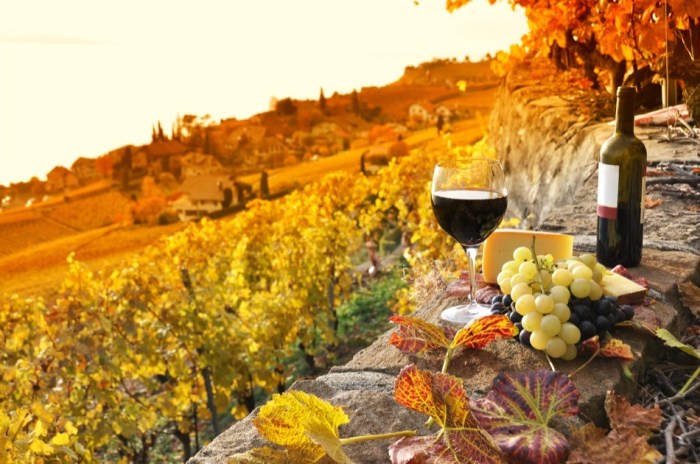
Local wine tasting experiences significantly boost local economies and tourism, transforming rural areas and small towns into thriving destinations. The appeal of these experiences extends beyond the wine itself; they offer a unique blend of cultural immersion, agricultural appreciation, and opportunities for relaxation and socializing, attracting both domestic and international visitors.Local wine tasting experiences contribute significantly to the economic vitality of a region.
The direct revenue generated from wine sales, tasting fees, and merchandise is substantial. Furthermore, the influx of tourists supports related businesses such as restaurants, hotels, transportation services, and local craft shops, creating a ripple effect throughout the community. This increased economic activity leads to job creation and higher tax revenues, benefiting the local government and contributing to improved infrastructure and services.
Economic Contributions of Wine Tourism
The economic impact of wine tourism is multifaceted. Wineries directly benefit from increased sales, but the effect extends to the broader community. For example, a thriving wine region might see a surge in restaurant bookings, increased occupancy rates in local hotels, and higher demand for transportation services, all contributing to a larger economic pie. This economic stimulation can be particularly impactful in rural areas, offering diversification and stability to economies that may otherwise rely heavily on a single industry.
Consider the Napa Valley in California, where wine tourism is a cornerstone of the regional economy, generating billions of dollars annually and supporting thousands of jobs.
Collaboration Between Wineries and Businesses
Successful wine tourism relies heavily on collaboration between wineries and other local businesses. Many wineries partner with restaurants to offer paired dining experiences, creating a more holistic and appealing tourism package. Hotels and bed and breakfasts often create packages that include wine tasting tours, while transportation companies provide convenient and comfortable shuttle services to and from wineries. This collaborative approach maximizes the appeal of the region as a destination and ensures a smoother and more enjoyable experience for visitors.
For instance, a regional tourism board might create a joint marketing campaign featuring multiple wineries, restaurants, and accommodation providers, pooling resources to reach a wider audience.
Impact on the Surrounding Community
The positive impacts of local wine tasting experiences extend beyond the purely economic. The influx of tourists can revitalize communities, leading to improvements in infrastructure, such as better roads and public transportation. The increased demand for local goods and services can encourage the development of small businesses, providing further economic opportunities. Moreover, the heightened awareness of the region’s wine industry and cultural heritage can foster a stronger sense of community pride and identity.
The creation of jobs within the tourism sector can also contribute to a more vibrant and diverse workforce, attracting younger generations to stay and contribute to their local area. This is evident in many wine regions across the globe where the wine industry has become a source of both economic and social regeneration.
Sustainability and Ethical Considerations in Local Wine Tasting Experiences
The burgeoning popularity of local wine tasting experiences presents a unique opportunity to promote sustainable practices and ethical considerations within the wine industry. It’s crucial to understand the environmental impact of wine production and consumption, and to actively support wineries and businesses committed to responsible operations. This section will explore these aspects, providing insights for both wineries and consumers seeking to participate in more sustainable and ethical wine tourism.The environmental footprint of wine production is significant, encompassing water usage, energy consumption, pesticide application, and carbon emissions from transportation.
Wine consumption, too, contributes to waste generation through packaging and leftover wine. However, many local wineries are embracing sustainable practices to minimize their environmental impact.
Sustainable Practices for Local Wineries
Many local wineries are actively working towards minimizing their environmental impact. These efforts often involve implementing a range of sustainable practices across the entire production process. For example, water conservation techniques like drip irrigation and rainwater harvesting are becoming increasingly common. Reduced reliance on chemical pesticides and herbicides, favoring organic or biodynamic methods, is another key aspect.
Energy efficiency improvements, such as solar power adoption, are also gaining traction. Finally, many wineries are focusing on reducing their carbon footprint through sustainable transportation methods and responsible waste management. These proactive measures not only protect the environment but also enhance the overall quality of the wine produced.
Supporting Local Producers Committed to Ethical Practices
Choosing to support local producers who prioritize ethical practices is paramount. This involves considering factors beyond sustainability, such as fair labor practices, responsible land management, and community engagement. Many small, family-run wineries are deeply invested in their local communities, employing local workers, sourcing materials locally, and contributing to the region’s economic vitality. By actively seeking out and supporting these businesses, consumers can contribute to a more just and equitable wine industry.
Look for certifications like Fair Trade or organic labels to verify a winery’s commitment to ethical production. Furthermore, investigating a winery’s practices directly, by visiting their website or contacting them, can offer valuable insights into their operational ethos.
A Consumer’s Guide to Sustainable and Ethical Wine Tasting Experiences
Consumers can play a crucial role in promoting sustainable and ethical practices within the local wine tasting scene. A thoughtful approach involves considering several factors before selecting a winery or tasting experience. Firstly, investigate the winery’s sustainability initiatives. Do they employ water-efficient irrigation? Do they utilize organic or biodynamic farming methods?
What steps do they take to minimize their carbon footprint? Secondly, inquire about their ethical practices. Do they ensure fair wages and safe working conditions for their employees? Do they engage positively with their local community? Thirdly, consider the winery’s commitment to responsible packaging.
Are they using recyclable or biodegradable materials? Lastly, opting for experiences that prioritize local transportation, such as walking, cycling, or utilizing public transport, further reduces the environmental impact. By making informed choices, consumers can actively support local wineries that align with their values and contribute to a more sustainable and ethical wine industry.
Exploring Related Local Experiences
Enhancing a local wine tasting experience often involves strategically integrating complementary activities that enrich the overall visitor experience and create a more memorable and holistic journey. This synergistic approach capitalizes on the region’s unique offerings, attracting a wider range of tourists and fostering a deeper appreciation for the local culture and landscape. By offering packaged experiences, wineries and tourism operators can increase revenue and enhance their brand image.A well-designed package combining wine tasting with other local experiences provides a more comprehensive and immersive exploration of the region.
This approach caters to the growing demand for authentic and engaging travel experiences, moving beyond simply consuming wine to actively participating in the local culture and environment. The careful selection of complementary activities is crucial to creating a seamless and enjoyable experience for visitors.
Examples of Complementary Local Experiences
Several types of local experiences pair exceptionally well with wine tasting. Farm visits, allowing guests to see firsthand the vineyard’s cultivation practices and perhaps even participate in a harvest, provide a deeper connection to the wine’s origin. Culinary tours, featuring locally sourced ingredients and regional dishes that complement the wines, offer a sensory exploration of the region’s gastronomic heritage. Historical site visits, revealing the region’s past and its influence on winemaking traditions, add a layer of cultural richness to the experience.
Other possibilities include art gallery visits, showcasing local artists inspired by the region’s landscapes, or hiking excursions through vineyards, providing stunning views and a chance to appreciate the terroir.
A Sample Combined Experience Package
Consider a package titled “A Day in the Vineyard and Valley”: This package could begin with a guided tour of a family-owned vineyard, highlighting sustainable farming practices and the winemaking process. Following the vineyard tour, guests would enjoy a curated wine tasting featuring three of the vineyard’s flagship wines, accompanied by locally sourced cheese and charcuterie. The afternoon could conclude with a visit to a nearby historical village, perhaps a charming town with a rich history linked to wine production, offering a glimpse into the region’s heritage.
This package offers a diverse range of experiences, appealing to a broader audience while showcasing the best of the local area.
Enhancing the Tourist Experience Through Integration
Integrating multiple local experiences significantly enhances the overall tourist experience by offering a more comprehensive and immersive journey. Instead of isolated activities, visitors gain a richer understanding of the region’s culture, history, and environment. This holistic approach creates a more memorable and engaging experience, fostering a stronger connection between the visitor and the destination. Furthermore, combined experiences often provide better value for money, making them more attractive to budget-conscious travelers.
The strategic integration of different activities can also extend the length of stay for tourists, boosting local economies and supporting the sustainability of the tourism industry. For example, a visitor might spend only a few hours at a winery for a simple tasting, but a combined package could easily extend their visit to a full day, increasing spending on food, accommodation, and other local services.
Visual Representation of a Local Wine Tasting Experience
A truly memorable local wine tasting experience transcends the simple act of sampling wine; it becomes a sensory journey, a tapestry woven from sights, sounds, smells, and tastes. The visual aspects are crucial in setting the mood and creating a lasting impression. A successful event carefully orchestrates these elements to evoke a feeling of warmth, sophistication, and connection to the land and its people.The visual representation of a memorable local wine tasting experience is multifaceted.
Imagine a sun-drenched vineyard in Tuscany, rolling hills blanketed in grapevines stretching to the horizon. The setting is a rustic, yet elegant, stone farmhouse, its weathered walls adorned with climbing bougainvillea in vibrant hues of fuchsia and orange. Long wooden tables, laden with locally sourced cheeses, charcuterie, and crusty bread, are scattered across a sun-dappled courtyard. Guests, dressed in comfortable yet stylish attire, engage in lively conversation, their laughter mingling with the gentle buzz of bees among the lavender bushes.
The warm glow of the setting sun casts long shadows, painting the scene in golden light. The glasses, filled with ruby red, amber gold, or pale rose wines, shimmer in the light, reflecting the joy and camaraderie of the occasion. The air is filled with the intoxicating aroma of ripe grapes, herbs, and freshly baked bread.
Setting and Ambiance
The setting plays a pivotal role in establishing the overall aesthetic. A winery with exposed brick walls and high ceilings creates a sense of rustic charm, while a modern, minimalist tasting room might project a sophisticated and contemporary feel. The use of natural light is paramount; large windows and open spaces allow the natural beauty of the surroundings to enhance the experience.
Soft, ambient lighting in the evening creates a more intimate and romantic atmosphere. The textures are equally important; rough-hewn wooden tables and chairs juxtaposed with smooth, polished glassware create a pleasing contrast. The overall color palette should be carefully considered; earth tones like browns, greens, and creams can evoke a sense of connection to nature, while pops of brighter colors can add vibrancy and energy.
People and Interactions
The people attending the wine tasting contribute significantly to the visual narrative. Their interactions, expressions, and attire all contribute to the overall atmosphere. A group of friends laughing and sharing stories creates a feeling of warmth and camaraderie, while a more formal setting with knowledgeable sommeliers guiding guests through a tasting might evoke a sense of sophistication and education.
The attire of the guests and staff should be considered; a casual yet stylish dress code can enhance the relaxed and convivial atmosphere.
Sensory Details and Emotional Impact
The visual elements are intertwined with other sensory experiences to create a holistic and memorable experience. The sight of glistening wine in crystal glasses, the aroma of the wine itself, and the taste on the palate all contribute to the overall sensory impact. The visual representation of a memorable wine tasting experience should aim to evoke a positive emotional response in the viewer, creating a feeling of joy, relaxation, and connection to the land and its people.
The combination of beautiful surroundings, engaging interactions, and delicious wine creates a lasting impression that lingers long after the event has ended.
Ultimately, local wine tasting experiences transcend mere consumption; they are immersive journeys that connect us to place, people, and history. By supporting local wineries and embracing sustainable practices, we not only enrich our own experiences but also contribute to the vitality of the communities that produce these remarkable wines. Whether a grand affair or a quiet evening at home, the art of savoring local wines offers a unique opportunity to appreciate the artistry, dedication, and rich tapestry of a region’s heritage.
Remember to explore responsibly and savor every moment.
Question & Answer Hub
What is the ideal group size for a private wine tasting?
Ideal group sizes vary depending on the winery, but generally range from 6 to 12 people for a more intimate experience. Larger groups may require advance booking and potentially split into smaller sessions.
Are there age restrictions for wine tastings?
Yes, most wineries adhere to legal drinking ages. Expect to show identification to confirm you meet the minimum age requirement.
What should I wear to a wine tasting?
Comfortable clothing is recommended. While there’s no strict dress code, it’s generally advisable to avoid overly casual attire, especially at upscale venues.
Can I bring my own food to a wine tasting?
This depends on the winery’s policy. Some may allow it, while others may offer food pairings or require guests to purchase their food on-site. Always check with the winery beforehand.


