
Unique local experiences offer travelers a chance to move beyond typical tourist traps and delve into the heart of a destination’s culture. These aren’t just sightseeing excursions; they are immersive encounters that foster genuine connections with local communities and create lasting memories. From culinary adventures to artisan workshops, the possibilities are as diverse as the destinations themselves, promising authentic and enriching travel experiences.
This exploration will define what constitutes a truly unique local experience, examine the diverse types available, and analyze their impact on both travelers and the communities they visit. We’ll also explore how to find and book these experiences, while considering the responsible tourism practices crucial for their sustainability.
Defining “Unique Local Experiences”
Unique local experiences offer travelers a deeper connection with a destination beyond the typical tourist attractions. They move beyond the surface-level sightseeing to provide authentic and memorable interactions with the local culture, environment, and people. Unlike generic tourist activities, which often feel mass-produced and impersonal, unique local experiences are crafted to provide a personalized and immersive journey.The key characteristics of a truly unique and memorable local experience are authenticity, personal interaction, and cultural significance.
These elements combine to create an experience that feels genuine and meaningful, leaving a lasting impression on the traveler. A truly unique experience is not easily replicated; it is shaped by the specific context and community it represents. It’s about the feeling of discovery and connection, not just ticking off items on a pre-planned itinerary.
Cultural Significance and Authenticity
Cultural significance is paramount in defining a unique local experience. The experience should be deeply rooted in the local culture, reflecting its history, traditions, values, and artistic expressions. Authenticity ensures that the experience accurately represents the local culture without being overly staged or commercialized. For example, participating in a traditional tea ceremony in Japan, led by a local family, offers far greater cultural insight than visiting a tourist-oriented tea house.
The former provides a genuine glimpse into Japanese customs and hospitality, while the latter might feel more like a performance for tourists. The difference lies in the level of genuine interaction and the avoidance of commercialization.
Personal Interaction and Immerssiveness
A unique local experience fosters meaningful personal interactions with locals. This could involve engaging with local artisans, farmers, or community members, learning about their lives and perspectives firsthand. The level of immersion is key; it’s about stepping outside the usual tourist bubble and experiencing life as a local might. Consider a cooking class in Tuscany where you learn to make pasta from scratch with a nonna (grandmother) who has been perfecting her recipes for generations.
This intimate experience goes beyond simply tasting the food; it involves learning a skill, sharing a story, and forging a connection. It’s this personal interaction that elevates the experience beyond a mere activity.
Factors Contributing to Uniqueness
Several factors contribute to the uniqueness of a local experience. Beyond cultural significance and personal interaction, the level of customization and the environmental context play crucial roles. A tailored experience, designed to suit individual interests and preferences, feels more special than a generic package tour. Furthermore, the setting itself—a remote village, a stunning natural landscape, or a historic site—adds to the overall uniqueness and memorability of the experience.
A guided hike through a remote national park with a local naturalist, for example, offers a completely different experience compared to a standard guided tour of a popular city landmark. The rarity and accessibility of the location, combined with the expert knowledge shared, enhance the overall uniqueness.
Types of Unique Local Experiences
Unique local experiences offer travelers a chance to connect with a destination on a deeper level, moving beyond typical tourist attractions to engage with the authentic culture, history, and environment. These experiences are often crafted around the specific characteristics of a place, providing opportunities for personal growth and memorable interactions. They can range from immersive cultural events to hands-on workshops, offering a diverse spectrum of engagement for every traveler.
Categorization of Unique Local Experiences
The following table categorizes unique local experiences, providing examples and locations. This categorization helps to understand the breadth and diversity of options available to the discerning traveler.
| Category | Description | Example | Location |
|---|---|---|---|
| Cultural Immersion | Experiences that directly engage with the local culture, traditions, and way of life. | Participating in a traditional tea ceremony | Kyoto, Japan |
| Nature & Adventure | Activities that emphasize the natural beauty and outdoor opportunities of a region. | Hiking to a secluded waterfall and swimming in its natural pool | Costa Rica |
| Food & Drink | Experiences centered around local cuisine, culinary traditions, and beverage production. | Taking a cooking class focused on regional specialties | Tuscany, Italy |
| Arts & Crafts | Opportunities to learn about and participate in local artistic expressions and craftsmanship. | Attending a pottery workshop and creating your own piece | Oaxaca, Mexico |
| Historical Exploration | Experiences focused on the history and heritage of a place, often involving visits to significant sites and interactions with historical interpreters. | Guided tour of a historical site with a local historian | Rome, Italy |
| Community Engagement | Experiences that involve direct interaction with local communities and contribute to their well-being. | Volunteering at a local farm or community garden | Rural Vermont, USA |
Unique Local Experiences by Geographical Location
The type of unique local experience often depends heavily on the geographical setting. Rural areas tend to offer experiences centered around nature and traditional ways of life, while urban settings provide opportunities for cultural immersion and exploration of unique urban landscapes.
- Rural Experiences: Farm stays, foraging walks, traditional craft workshops, stargazing, hiking and trekking.
- Urban Experiences: Street art tours, food tours focusing on local cuisine, visits to independent shops and markets, attending local festivals and events, exploring hidden historical sites.
Classification of Unique Local Experiences by Level of Interaction with Locals
The degree of interaction with local people is a key differentiator in unique local experiences. This interaction significantly impacts the authenticity and depth of the experience.
- Low Interaction: These experiences involve minimal direct contact with locals, such as self-guided walking tours or visiting historical sites. Example: Exploring a historical district using a self-guided audio tour.
- Medium Interaction: These experiences involve some interaction with locals, such as guided tours led by local experts or participation in workshops with local artisans. Example: Taking a cooking class with a local chef.
- High Interaction: These experiences involve significant and meaningful interaction with locals, such as homestays, community volunteer work, or participating in local festivals and celebrations. Example: Staying with a local family and sharing meals with them.
The Value of Unique Local Experiences for Travelers
Unique local experiences offer travelers far more than just a typical sightseeing tour; they provide opportunities for genuine connection, deeper understanding, and lasting memories. These experiences move beyond the surface level of travel, fostering a more profound and enriching journey. By engaging with the local culture and community directly, travelers gain a perspective that cannot be replicated through traditional tourist activities.Engaging in unique local experiences significantly enhances the overall travel experience for several key reasons.
Participation in these activities fosters a sense of authenticity and immersion, allowing travelers to connect with the destination on a personal level. This connection goes beyond simply visiting iconic landmarks; it involves actively participating in the life and culture of the place. This immersive approach cultivates a more meaningful and lasting appreciation for the destination’s unique character.
Enhanced Cultural Understanding and Appreciation
Unique local experiences offer unparalleled opportunities for cultural immersion. For example, participating in a traditional cooking class in a rural Italian village provides a deeper understanding of Italian culinary traditions than simply eating at a restaurant. Similarly, attending a local festival or ceremony allows travelers to witness firsthand the customs, beliefs, and values of the community, creating a more profound and lasting connection.
The firsthand experience surpasses the limitations of reading about a culture in a guidebook or watching a documentary. These direct interactions help dispel stereotypes and promote a more nuanced understanding of the local way of life.
Increased Traveler Satisfaction and Memorable Experiences
Studies have consistently shown a strong correlation between participation in authentic local experiences and increased traveler satisfaction. Travelers who engage in these activities often report higher levels of happiness and fulfillment compared to those who stick to more conventional tourist itineraries. These experiences create more vivid and lasting memories, transforming a simple trip into a truly unforgettable adventure.
For instance, a traveler might remember the taste of homemade pasta learned during a cooking class in Tuscany more vividly than a visit to a famous museum. The emotional connection forged during unique local experiences significantly contributes to the overall positive perception of the trip. These memories become cherished stories, enriching the traveler’s life long after the journey has ended.
Strengthened Personal Growth and Self-Discovery
Stepping outside of one’s comfort zone and engaging with unfamiliar cultures fosters personal growth and self-discovery. Unique local experiences often involve overcoming challenges, adapting to new situations, and interacting with people from different backgrounds. This process of adaptation and interaction broadens perspectives and fosters empathy and understanding. For instance, volunteering at a local community project can be incredibly rewarding, providing a sense of purpose and contribution while simultaneously immersing oneself in the local context.
Such experiences contribute to a more holistic and enriching travel experience, extending beyond mere sightseeing and entertainment. The personal transformation resulting from these experiences can have a profound and lasting impact on the traveler’s life.
Finding and Booking Unique Local Experiences
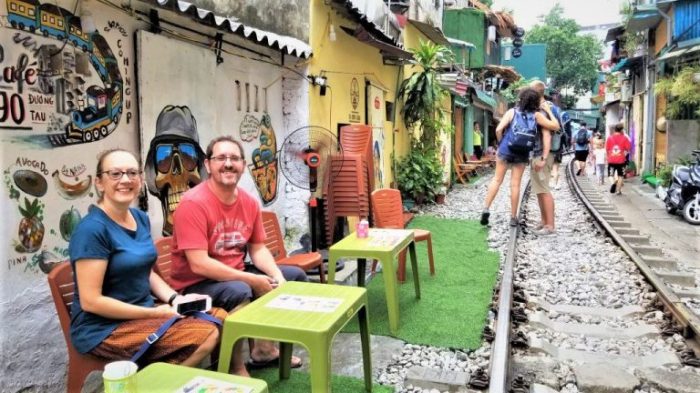
Discovering and securing truly unique local experiences can significantly enhance the travel journey, moving beyond typical tourist traps to embrace authentic cultural immersion. This process, however, requires a strategic approach, leveraging various platforms and mindful consideration of potential challenges.Finding authentic experiences often involves navigating a landscape of information, filtering out generic offerings to uncover hidden gems. The digital age offers a wealth of resources, but discerning genuine local experiences from mass-produced tourism products requires careful evaluation and a degree of independent research.
Platforms and Methods for Discovering Unique Local Experiences
Travelers utilize a diverse range of platforms and methods to discover unique local experiences. These range from dedicated online marketplaces to social media and word-of-mouth recommendations.
- Online Marketplaces: Platforms like Airbnb Experiences, Viator, GetYourGuide, and local tour operator websites offer curated selections of activities, often highlighting local guides and unique perspectives.
- Social Media: Instagram, Facebook, and travel blogs frequently feature user-generated content showcasing hidden gems and lesser-known experiences. Hashtags such as #localexperiences, #hiddengems, and location-specific hashtags can be invaluable for discovery.
- Travel Blogs and Forums: Many travel blogs and online forums offer detailed accounts of unique experiences, often providing insider tips and recommendations from fellow travelers.
- Local Guides and Recommendations: Engaging with local residents, whether through hotels, restaurants, or casual conversations, can uncover authentic experiences not readily found online. This personal approach can lead to truly unforgettable encounters.
Challenges in Finding Authentic Local Experiences
Several challenges hinder travelers in their quest for authentic local experiences. These challenges often stem from the difficulty in verifying authenticity and the potential for misleading marketing.
- Authenticity Verification: Distinguishing genuine local experiences from mass-produced tourist traps can be difficult. Many operators market experiences as “authentic” without sufficient evidence. Reviews and testimonials can help, but careful scrutiny is essential.
- Hidden Fees and Costs: Unexpected costs, such as transportation or entrance fees, can inflate the final price of an experience. Transparent pricing is crucial, and travelers should carefully review all associated costs before booking.
- Language Barriers and Communication: Communication challenges can arise, especially when dealing with local operators who may not be fluent in the traveler’s language. Clear communication channels and pre-trip planning can mitigate these issues.
- Availability and Booking: Popular experiences may have limited availability, requiring advance booking. Last-minute bookings may limit options and increase costs.
Recommendations for Improving the Process of Finding and Booking Unique Local Experiences
Improving the process of finding and booking unique local experiences requires a multi-faceted approach, emphasizing transparency, authenticity verification, and user-friendly platforms.
- Enhanced Platform Transparency: Online platforms should implement stricter verification processes to ensure the authenticity of listed experiences. Clearer information on pricing, inclusions, and cancellation policies should be readily available.
- User-Generated Content Verification: Platforms should consider incorporating mechanisms for verifying the authenticity of user-generated content, preventing the spread of misleading information.
- Improved Search Functionality: More sophisticated search filters and recommendation engines could help travelers refine their search based on specific interests and preferences, enabling more effective discovery of niche experiences.
- Support for Local Operators: Platforms should actively support local operators by providing tools and resources to promote their unique experiences, ensuring equitable representation.
The Impact of Unique Local Experiences on Local Communities
Unique local experiences offer a powerful two-way street, benefiting both travelers seeking authentic encounters and the communities hosting them. The economic injection, cultural preservation, and potential challenges all contribute to a complex relationship that requires careful management for sustainable growth.The economic benefits stemming from unique local experiences are multifaceted and significant. They extend beyond simple tourist spending in hotels and restaurants.
Economic Benefits for Local Communities
Increased revenue streams are generated through a variety of channels. Direct income is created for local guides, artisans, farmers, and homestay providers who directly offer unique experiences. Indirect benefits include increased demand for local products and services, stimulating the wider economy. For instance, a cooking class featuring locally sourced ingredients benefits not only the instructor but also the farmers supplying the produce and the local market selling the ingredients.
This ripple effect strengthens the local economy, creating jobs and boosting overall prosperity. Furthermore, increased tourism can lead to investment in infrastructure, improving the community’s quality of life and attracting further development. The success of community-based tourism initiatives in places like rural Costa Rica, where ecotourism has become a major source of income while preserving biodiversity, illustrates the potential for sustainable economic growth.
Cultural Preservation Through Unique Local Experiences
Unique local experiences play a vital role in safeguarding cultural heritage. By showcasing traditional skills, crafts, and storytelling, these experiences foster pride and appreciation for local culture among both residents and visitors. The active participation of locals in these experiences ensures that cultural practices are not merely preserved but also revitalized. For example, a traditional dance performance, not just viewed passively, but one in which tourists are invited to participate, ensures the continuity of the tradition.
Furthermore, the income generated from these experiences can help support the continuation of cultural practices that might otherwise be abandoned due to economic pressures. The preservation of ancient weaving techniques in communities across Peru, where workshops teaching the craft are now popular tourist attractions, exemplifies this positive impact.
Negative Impacts of Tourism and Mitigation Strategies
While tourism can bring significant benefits, uncontrolled growth can lead to negative consequences for local communities. Overcrowding can strain resources, increase pollution, and damage the very environment and culture that attract tourists in the first place. The displacement of local residents due to rising housing costs, driven by tourism-related development, is another significant concern. Cultural commodification, where traditions are simplified or exploited for profit, can also lead to a loss of authenticity and resentment among locals.To mitigate these negative impacts, careful planning and sustainable tourism practices are crucial.
This includes implementing carrying capacity limits to manage tourist numbers, promoting responsible tourism practices among visitors, and ensuring that local communities have a significant voice in decision-making processes related to tourism development. Investing in infrastructure improvements that benefit both residents and tourists, such as improved waste management systems and public transportation, is also essential. Furthermore, fair wages and equitable benefit-sharing mechanisms should be implemented to ensure that local communities receive a fair share of the economic benefits generated by tourism.
Community-based tourism initiatives, where locals are actively involved in managing and benefiting from tourism activities, provide a valuable model for sustainable and equitable tourism development.
Illustrating Unique Local Experiences
Unique local experiences offer travelers a chance to connect with a destination on a deeper level, moving beyond the typical tourist trail to discover the authentic heart of a place. They provide opportunities to engage with local culture, traditions, and people in a meaningful way, creating memories that are both enriching and unforgettable. This section will illustrate these experiences through detailed descriptions and narratives.
A Sensory Experience: Artisan Chocolate Making in Ecuador
Imagine the rich aroma of roasted cacao beans filling the air, a heady blend of bittersweet chocolate and earthy spice. Your hands, stained a deep brown, carefully mold the still-warm, pliable chocolate into intricate shapes. The rhythmic thump of the stone grinder echoes in the small workshop, a counterpoint to the lively chatter of the artisan chocolatier and her family.
You taste a sample – the melt in your mouth is pure bliss, a complex symphony of flavors, from the initial sweetness to the lingering bitterness. The rough texture of the cacao nibs contrasts with the smooth, creamy finish of the final product. This is not just chocolate; it’s a story, a tradition passed down through generations, a tangible connection to Ecuadorian culture.
The accompanying image would show a close-up of hands working the chocolate, the tools scattered around, and a glimpse of the family working together in the warmly lit workshop, sunlight streaming through a window.
Narrative: A Night with the Maasai
The sun dips below the horizon, painting the African savanna in fiery hues of orange and purple. The air cools, carrying the scent of woodsmoke and distant wildlife. Surrounded by the rhythmic beat of drums and the melodic voices of Maasai singers, you sit around a crackling fire, sharing stories and laughter with your hosts. The rough texture of the woven mat beneath you feels surprisingly comfortable.
The taste of nyama choma (grilled meat) is smoky and satisfying, a stark contrast to the sweetness of the honeyed tea. You feel a profound sense of connection, not just as a tourist observing, but as a participant in their vibrant culture. The shared experience transcends language barriers, forging a bond built on mutual respect and shared humanity.
The feeling is one of warmth, belonging, and an overwhelming appreciation for the resilience and beauty of the Maasai people and their way of life.
Diverse Unique Local Experiences
Let’s explore a range of unique local experiences, each showcasing a different aspect of a destination’s character:
- Culinary: A hands-on pasta-making class in Bologna, Italy, learning the secrets of fresh pasta from a nonna (grandmother), the flour dusting your clothes, the satisfying kneading of the dough, the rich aroma of garlic and herbs filling the air. The final taste, a simple but perfect plate of pasta, is a testament to the experience.
- Historical: A guided walking tour of a medieval city in Germany, tracing the footsteps of historical figures, the ancient stones underfoot, the weight of history palpable in the air, the echoes of past lives resonating in the quiet corners of the city. The tour concludes with a traditional meal in a centuries-old tavern, transporting you back in time.
- Artistic: A pottery workshop in Greece, shaping clay on a spinning wheel, the cool, smooth clay transforming under your hands, the satisfying thud of the clay against the wheel, the earthy smell of the wet clay lingering on your skin. The final creation, imperfect but unique, is a reminder of the journey and the connection to the art form.
Local Experiences
While “unique local experiences” represent a niche within the broader tourism sector, understanding their place within the larger landscape is crucial. This section compares and contrasts these experiences with more general forms of tourism and explores how globalization and technological advancements are reshaping their definition and delivery.
General tourism often focuses on standardized experiences, catering to mass markets with predictable itineraries and pre-packaged activities. Think large resorts, organized tours to iconic landmarks, and predictable shopping experiences. In contrast, unique local experiences prioritize authenticity, immersion, and personalized interactions. They emphasize direct engagement with local communities, cultures, and environments, often involving smaller-scale operations and personalized interactions. The key differentiator lies in the level of authenticity and the degree of direct interaction with the local community.
The Evolving Definition of Local Experiences
Globalization and technological advancements have significantly impacted the definition of “local experience.” Initially, a “local experience” might have been defined by geographical proximity and a relatively isolated community. However, globalization has interconnected communities, creating a blend of cultures and influences. The rise of online platforms has also broadened access to information and facilitated the connection between travelers and local providers, transcending geographical limitations.
This means a “local experience” can now encompass a wider range of interactions, potentially involving digitally mediated connections with artisans from remote areas or online workshops with local experts, blurring the lines between physical and virtual interactions. For example, a virtual cooking class with a chef in a remote village in Italy is now considered a “local experience,” even though physical presence isn’t required.
Emerging Trends in Local Experiences
Several trends are shaping the pursuit and provision of local experiences. The increasing demand for authentic and sustainable travel is driving a shift towards experiences that minimize environmental impact and promote responsible tourism practices. Experiences focusing on cultural immersion, such as learning traditional crafts, participating in local festivals, or staying in homestays, are becoming increasingly popular. Furthermore, the rise of the sharing economy has facilitated the emergence of numerous platforms connecting travelers directly with local hosts, offering a wider range of unique experiences.
This has also led to the growth of hyper-local experiences, focusing on very specific aspects of a particular place or community, often involving niche interests like foraging, artisan workshops, or intimate historical tours. The rise of experiential travel, prioritizing personal growth and learning through unique experiences over mere sightseeing, also contributes to this trend. For example, a multi-day trekking tour focusing on local flora and fauna, guided by a local expert, represents this emerging trend.
Ultimately, embracing unique local experiences enriches the travel journey, creating deeper connections and fostering a more profound understanding of different cultures. By prioritizing authenticity and responsible engagement, both travelers and local communities can benefit from these enriching encounters, ensuring the preservation of cultural heritage and the sustainable growth of tourism.
Essential FAQs
How much do unique local experiences typically cost?
The cost varies greatly depending on the type of experience, location, and provider. Prices can range from affordable workshops to more luxurious private tours.
Are unique local experiences suitable for families with children?
Many are! However, it’s essential to check the specifics of each experience to ensure it’s age-appropriate and suitable for your family’s needs and preferences.
How can I ensure I’m booking an authentic local experience and not a tourist trap?
Read reviews carefully, look for experiences hosted by locals, and prioritize those emphasizing cultural exchange and genuine interaction over commercialized aspects.
What if I have dietary restrictions or accessibility needs?
Always communicate your needs clearly when booking. Reputable providers will strive to accommodate reasonable requests.


